Doodle Jump Nostalgia: Why Thirty-Somethings Still Search for the 2009 Climb

Doodle Jump nostalgia on mobile
Doodle Jump nostalgia is the memory of a phone that felt like a toy: tilt to steer, auto-bounce, a rude UFO, and a score that mattered for five minutes on a bus. If you are in your thirties and still search for Doodle Jump on mobile, you are usually looking for that low-friction climb, not another open-world icon. This page names what 2009 felt like, why the feeling outlasted the original install, and how to follow the mood without reinstalling five cousins at random.
What people mean by Doodle Jump nostalgia
The search term bundles a few things together:
- Pocket sessions that fit a commute without a battle pass.
- Tilt as input, where the device was part of the joke.
- Sketchbook tone, wobbly lines and notebook paper that signaled play.
- Score as the whole meta, before daily login trees became normal.
Lima Sky’s original loop was rude and friendly at once. You did not need a tutorial voice-over to care about the number at the top. That combo is what players still describe when they say they miss Doodle Jump, even if they cannot name which sequel icon is current.
- Core inputTilt steer
The phone moved with the climber, not just your thumb.
- Session shapeUnder five minutes
Failure was cheap enough to laugh at and retry.
- Social layerOutside the app
High scores lived in class chat, not in a shared run.
For a fair tour of successors without reliving every platform type, old games like Doodle Jump walks the family tree. For breadth when you already know you want installs, games like Doodle Jump groups cousins with honest notes.
Why thirty-somethings still search for it
A few ordinary reasons keep the search alive.
Parent pockets. Kids find vertical climbers on a shared tablet; parents remember the green creature from their own first smartphone.
Commute resets. Adults want games that respect five minutes, not forty-minute live-service loops.
Store noise. When every icon promises a sandbox, a single-mechanic climber feels honest.
Social memory. Friends still compare old scores even when nobody plays daily.
The search is emotional first and practical second. You want the vibe back before you care which store listing is the “real” sequel. If you miss the sketchbook mood rather than the score, the mood-based picks in best jumping games on mobile are a better starting point than store rank.
What aged well in the design (and what feels dated)
Still works
- Readable hazards. The UFO felt unfair, but you saw it coming.
- One-axis danger. One thumb, one score line, one direction of panic.
- Personality without lore. The doodle look carried the whole tone.
Feels dated now
- Solo-only tension at the moment group chat became default social infrastructure.
- Async bragging on leaderboards instead of shared moments on the same page.
- Multiplayer as racing bolt-on when the memory people want is “we climbed together and something broke at the same time.”
That last gap is why Doodle Jump nostalgia often sits next to searches for multiplayer jumping games. Racing can be fun; it is not the same feeling as shared failure on one scrolling page. Doodle Jump multiplayer explains what Lima Sky shipped versus what survival lobbies do elsewhere. Multiplayer jumping games on mobile covers party size and last-one-standing play without turning this into another clone list.
Nostalgia is a compass, not a mandate to freeze in 2009
Returning players sometimes reinstall a sequel, bounce for ten minutes, and wonder why the magic feels thinner.
Honest reframes:
- You may want social chaos now more than solo score runs. Start with the multiplayer explainer above before you reinstall anything.
- You may want skill depth beyond cozy bounce. Momentum jumpers like the Icy Tower lineage scratch a different itch; endless jumping games on mobile separates vertical jumpers from sideways runners so you pick the right branch.
- You may want creation. Prompt-made climbers were not part of 2009; they are part of why some players look past remasters. AI character creator games covers that lane fairly.
Nostalgia tells you which kind of game to try next. You do not have to stay on one icon forever.
The sketchbook look as emotional shorthand
Part of the feeling is visual: notebook paper, inky hazards, creatures that look sketched rather than rendered. The aesthetic promises low stakes even when scores get serious.
Games that borrow sketchbook language without cloning Lima Sky’s exact critter can still trigger the same calm. Inklets leans into that tone on purpose: a living page, rising ink, climbers that look like doodles come alive. We make Inklets and say so. It is a three-player survival climber with prompt-made Inklets. Inklets is not released yet: it is planned for iOS and Android, with the waitlist at inklets.app and a browser sample at game.inklets.app. The browser demo versus the app sets expectations before you install anything.
Multiplayer nostalgia: the friend who was never on the page
Ask what someone missed about early mobile jumpers and you may hear a friend story that never happened in-game: “We compared scores in class.” The social layer was real; it lived outside the app.
Today’s players often want the friend inside the run:
- Shared failure when a platform snaps under both of you.
- Visible trailing when ink or a rising floor climbs faster than the safe line.
- Recognizable climbers so you tease a box kid, not Player 2.
That is the bridge from memory to modern design. If friends are the missing piece, read the multiplayer posts above before you hunt remasters.
A gentle return path without store roulette
Replay ten minutes
Install a classic or sequel long enough to notice what still delights you.
Name the gap
Social, skill, creation, or calm solo. One label is enough.
Open one guide
Match the gap to history, mood lists, or multiplayer explainers instead of five random icons.
If the gap is skill after nostalgia passes, how to get better at vertical jumpers is a practical guide that fits short sessions.
Honest alternatives when nostalgia is the whole goal
When the museum run is enough, install a sequel, enjoy the memory, and uninstall it before it becomes an obligation. When you want more than memory, use games like Doodle Jump for breadth, or what is Inklets if three-player survival and prompt-made climbers match the gap you named.
It is fine to stop at “I just wanted to remember.” You do not owe the genre another year.
Frequently asked questions
Why do people still search for Doodle Jump in 2026?
Short sessions, simple controls, and strong early App Store memories keep the head term alive across age groups.
Is Doodle Jump nostalgia only for people who played in 2009?
No. Younger players meet the character in memes and sequels; older players remember bus rides and score battles.
Does Doodle Jump 2 feel like the original?
Close enough for many returns, but social and progression habits today differ from 2009.
Is Inklets a Doodle Jump clone?
No. Inklets is a sketchbook-styled, three-player survival climber with prompt-made Inklets. It shares genre DNA and respect for Lima Sky without copying the solo score loop.
Related reads.
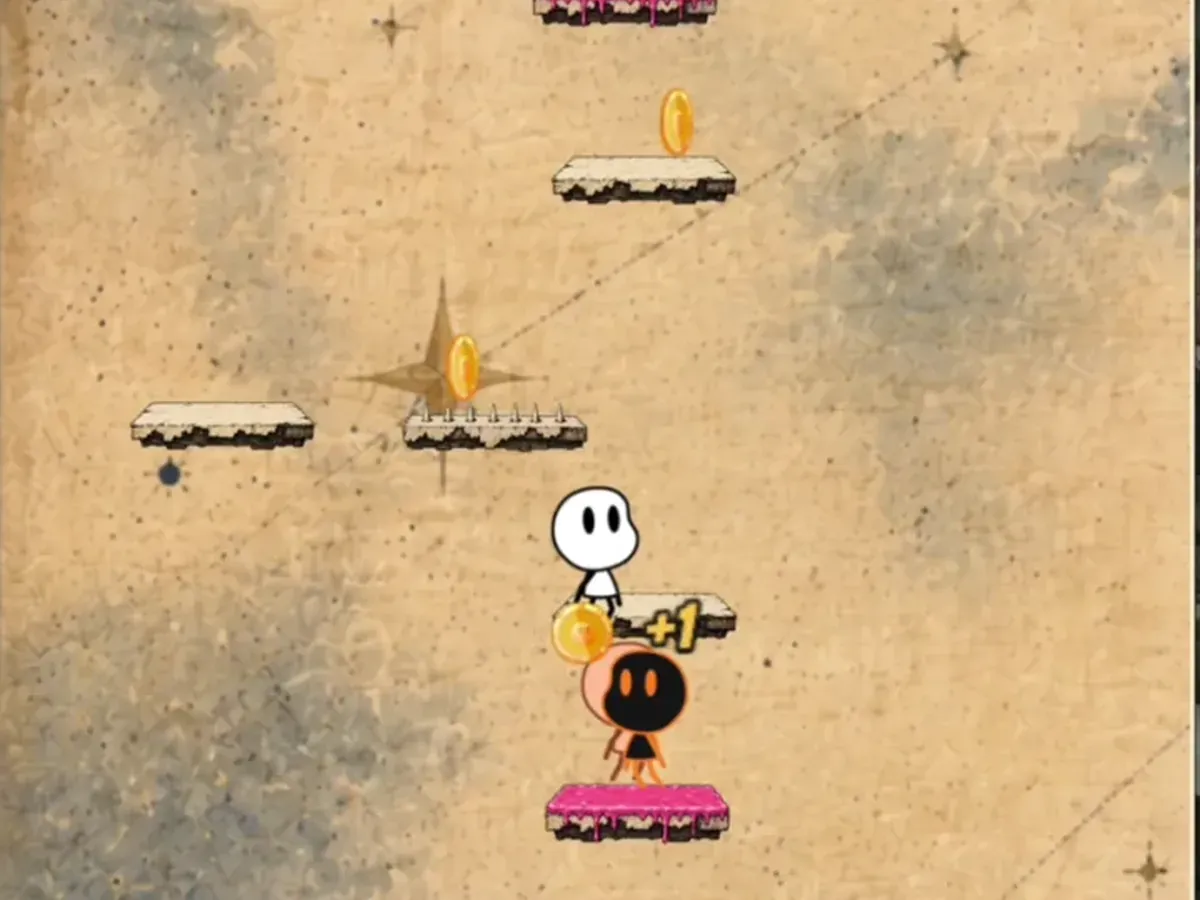 old games like doodle jump
Old Games Like Doodle Jump: Early iPhone Jumpers
Old games like Doodle Jump from the early App Store era: which vertical jumpers still hold up, what changed, and where today's climbers differ.
 games like doodle jump
7 Games Like Doodle Jump Worth Playing in 2026
Looking for games like Doodle Jump? Seven vertical jumpers worth your time — genre classics to Inklets, a free multiplayer climber on iOS and Android.
 doodle jump multiplayer
Doodle Jump Multiplayer: What Exists Today
Can you play Doodle Jump multiplayer with friends? Here is what Lima Sky shipped, why racing isn't the whole answer, and what a survival climber adds.