Old Games Like Doodle Jump: Early Mobile Vertical Jumpers Worth Revisiting
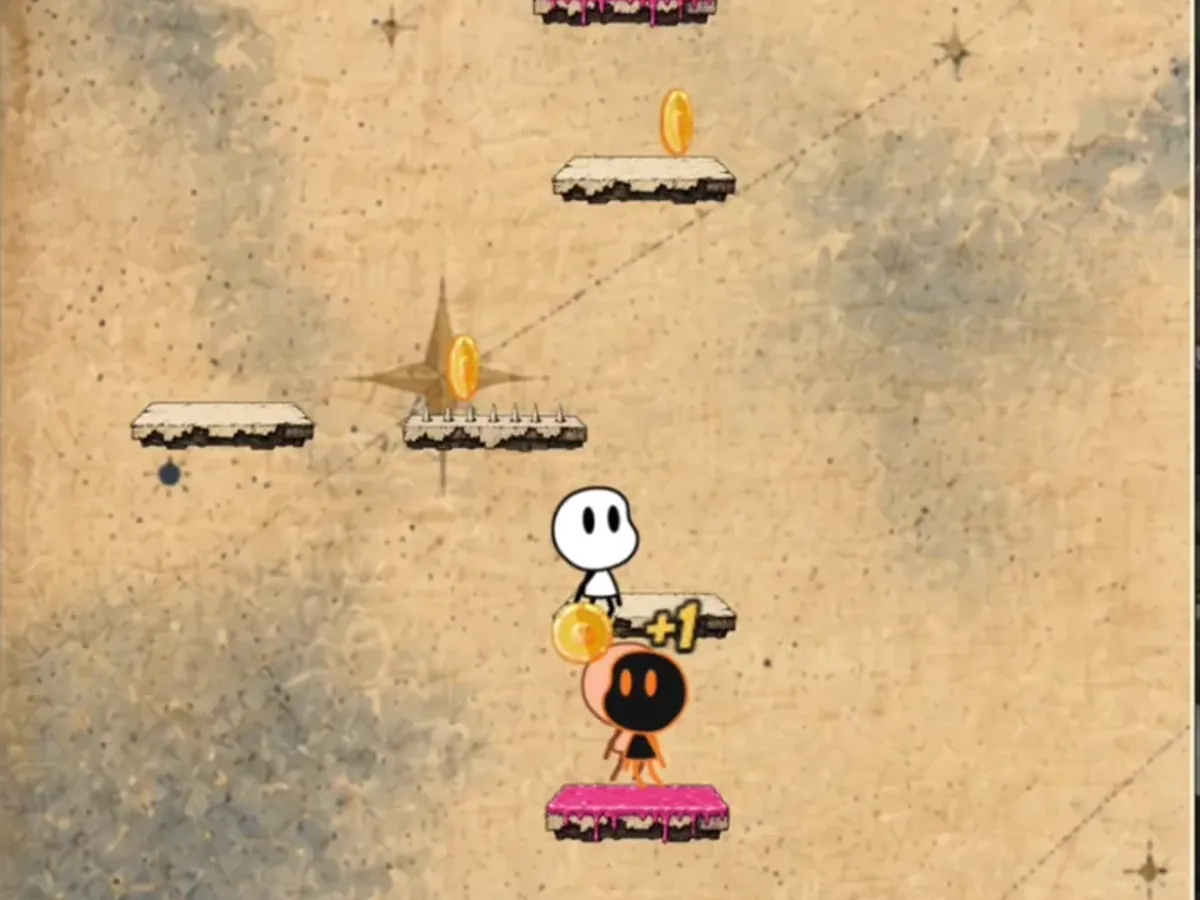
Old games like Doodle Jump are the reason “one-thumb endless climb” still means something on a phone. Doodle Jump landed in 2009, when the App Store was young and most hits were small, readable, and easy to restart. If your search is nostalgia for that era, not just “another jumper from 2024,” this guide is for you.
Below is a fair tour of vertical jumpers from the late 2000s and early 2010s that share Doodle Jump’s DNA, plus notes on how the genre evolved and where multiplayer survival climbers fit today.
Contents
- What counts as an old game like Doodle Jump
- Old games like Doodle Jump from the early App Store
- PC ancestors you may have played first
- Why these classics feel different from newer jumpers
- When you want company on the page
- How to pick which old jumper to replay
- Frequently asked questions
What counts as an old game like Doodle Jump
For this post, “old” means the first wave of smartphone vertical jumpers, roughly 2008 through 2013, plus the PC freeware that inspired them. The shared recipe is simple:
- Automatic upward motion. You steer left and right; gravity and springs do the rest.
- Procedural platforms. The climb is endless, so runs differ every time.
- Instant restarts. Death sends you back in seconds, which is why lunch-break sessions worked.
- A score or height number you could compare with yourself, and sometimes with friends on early leaderboards.
Doodle Jump did not invent all of that, but it packaged it for iPhone owners so cleanly that many players still use its name as shorthand for the whole genre.
Old games like Doodle Jump from the early App Store
These are the titles people usually mean when they ask for old games like Doodle Jump. Availability shifts as stores retire apps, so treat store links as “search the name on your platform” when a listing is gone.
Doodle Jump (2009)
Start with the source. Lima Sky’s original is still the reference point for tilt-or-touch steering, spring platforms, monsters, and jetpack detours. If you have not played it since the early 2010s, it holds up because the read on danger is immediate: you always know what ended the run.
The official sequels and spinoffs (including racing takes) are covered in our broader roundup of games like Doodle Jump and in Doodle Jump multiplayer if your nostalgia trip includes playing against someone.
Abduction! (2009)
Abduction! swaps the doodle astronaut for a cow lifted by a UFO beam. You still bounce upward through platforms, but the tone is goofier and the art is flat and colorful in that early mobile style. It is a good pick if you remember Doodle Jump’s pacing but want a different joke on the same mechanics.
Mega Jump (2010)
Get Set Games leaned into speed. Instead of resting on every platform, you chain coin arcs that pull you upward. It feels less like careful hopping and more like steering through a vertical slot run. If your memory of old jumpers is “everything moved faster than Doodle Jump,” Mega Jump is probably the one you played.
NinJump (2010)
Backflip Studios’ ninja-themed climber added wall-running between towers. The fantasy is still vertical progress, but the lane changes are tighter and more arcade-like. It sat beside Doodle Jump on a lot of “top free games” lists for a reason: same session length, different fantasy skin.
Jump King / Jump Lite lineage
Before phones, simple “jump up forever” experiments existed as browser and downloadable games. On early Android, Jump Lite and similar titles copied the endless platform stack with minimal art. They are rougher than Doodle Jump, but they capture the same “how high can I get in two minutes” loop that defined the era.
PAC’N-JUMP and licensed spinoffs
Namco’s Pac-Man themed climber showed how fast the formula spread to licensed characters. Gameplay stays close to Doodle Jump with ghosts as hazards. Not every region still has an easy store listing, but it belongs on a historical list because it proved the genre could carry familiar mascots.

PC ancestors you may have played first
Some old games like Doodle Jump started on desktop before smartphones existed.
Icy Tower (early 2000s freeware) is the skill-heavy ancestor. Running builds speed, speed builds jump height, and combo chains reward aggressive lines. If your nostalgia is less “cute mobile mascot” and more “how did I ever reach that floor,” Icy Tower is the deep cut. We include it in the modern comparison list in games like Doodle Jump because it still influences how designers think about vertical mastery.
Doodle Jump itself borrowed from earlier flash and indie climbers. That is normal for genres. Crediting the lineage matters when you are hunting old titles: you are often looking for a feeling (endless, readable, restart-friendly), not a single patented mechanic.
Why these classics feel different from newer jumpers
Old vertical jumpers were built for phones with one screen ratio, no subscriptions, and almost no live ops. That shows in how they play:
| Old jumper habit | What it felt like |
|---|---|
| Solo score chase | You versus your last run |
| Fixed mascots | Same character art for everyone |
| Local or async scores | Game Center glory days, not always live lobbies |
| Simple monetization | Paid app or ads, rarely battle passes |
None of that is bad. It is just incomplete for players who now want shared danger on the same page. The design essay in why endless jumping games never get old walks through which parts of the formula aged well and which parts needed company.
Honest alternative: if you want pure, quiet high-score meditation, the classics above are still the right tool. Live multiplayer adds noise, matchmaking, and balance patches. Stay with Doodle Jump or Icy Tower when you do not want other humans in your session.
When you want company on the page
Multiplayer in the Doodle Jump line usually meant racing (first to a line wins), not survival (last climber on the page wins). That distinction matters when you outgrow solo nostalgia.
If you want three players on one sketchbook climb, rising ink from below, and last-one-standing rules, that is the lane Inklets occupies today. You can try the browser sample at game.inklets.app for a quick feel, or download Inklets on iOS and Android for full lobbies, the AI Inklet Generator, and Sketchbook progression.

We are still fans of Doodle Jump’s solo loop. Inklets is our answer to a different question: what if the page itself turns on three climbers at once?
How to pick which old jumper to replay
Use the part of Doodle Jump you miss:
| You miss | Start here |
|---|---|
| The original tilt-and-bounce feel | Doodle Jump or Doodle Jump 2 |
| Silly theme, same pacing | Abduction! |
| Faster coin chains | Mega Jump |
| Tighter arcade lanes | NinJump |
| Skill combos and speed | Icy Tower |
| Genre context beyond nostalgia | Games like Doodle Jump (includes newer takes) |
| Playing against people, not just scores | Doodle Jump multiplayer, then Inklets if survival rules fit |
Most of these are free or cheap when listings exist. Install two, play ten minutes each, and keep the one that triggers “one more run” without thinking.
Ready to climb again
Pick an old favorite for solo score runs, or jump forward to a three-player survival climb if shared ink pressure sounds more fun than chasing a number alone. Store links change; searching the game name on your device is still the reliable path for delisted classics.
For Inklets specifically, start at inklets.app if you want the full mobile game, or game.inklets.app if you only need a quick browser look first.
Frequently asked questions
Is Doodle Jump still worth playing in 2026?
Yes, if you want the canonical solo vertical jumper. Later sequels and spinoffs add variety, but the 2009 design is still readable and quick to restart.
What is the oldest game similar to Doodle Jump?
Icy Tower on PC predates the iPhone boom and still feels like part of the same family, with more emphasis on momentum and combos than cute hazards.
Why do people search for old games like Doodle Jump instead of new ones?
Searchers often want a specific memory: early App Store simplicity, a mascot they remember, or a session that does not require accounts and events. This post separates that nostalgia from newer climbers.
Are old vertical jumpers multiplayer?
Most classic entries are solo score chases. Official Doodle Jump multiplayer modes focus on racing. Survival multiplayer on one shared page is rarer; that is the gap Inklets targets.
Can I play Inklets without installing anything?
You can open the lighter browser demo at game.inklets.app. Full three-player lobbies, creation tools, and Sketchbook unlocks live in the iOS and Android app.
What should I read after this post?
For a wider mix of classics and modern alternatives, read games like Doodle Jump. For multiplayer history on the Lima Sky side, read Doodle Jump multiplayer.
Do any old jumpers let you create your own character?
Rarely in the 2009 era. Catalog skins were the norm. Prompt-based climbers are a newer layer; Inklets includes that flow in the mobile app if custom characters matter to you.
Is Abduction! the same as Doodle Jump?
Same broad genre (endless upward platforms, simple steering), different theme and art. Think of it as a cousin, not a clone.
Next step
Replay one early App Store jumper for ten minutes to see if solo score chasing still hooks you. If you finish wishing two other climbers were on the page with you, open inklets.app and queue a three-player match, or skim download Inklets on iOS and Android for install steps.
Related reads.
 games like doodle jump
 7 Games Like Doodle Jump for Players Who Love Vertical Jumpers
Looking for games like Doodle Jump? Here are seven vertical jumpers worth your time, from genre classics to Inklets, a free multiplayer climber on iOS and Android.
 endless jumping games
 Why Endless Jumping Games Never Get Old: The Design Behind the Climb
Endless jumping games have survived every mobile trend since 2009. A look at the design reasons the genre endures, and where it is heading next.
 doodle jump multiplayer
 Doodle Jump Multiplayer: What Exists, What Doesn't, and What's Next
Can you play Doodle Jump multiplayer with friends? Here is what Lima Sky shipped, why racing isn't the whole answer, and what a survival climber adds.