Last-One-Standing Mobile Games That Are Not Battle Royales

Last one standing mobile games
Last one standing mobile games are matches where you win by outlasting everyone else, not by topping a solo scoreboard when the timer ends. Search results often mean battle royales, but phones also run party eliminators, stock-based brawlers, and compact survival climbers that finish in a few minutes. This guide sorts formats by player count, session length, and what “standing” means on a small screen.
What “last one standing” means on a phone
Mobile elimination games usually combine three ideas:
- Shared pressure. A zone, hazard, or direct knockout removes players over time.
- Relative play. Your position only matters against who is still alive.
- A clear end. One winner or a tiny podium, then back to the menu.
Battle royales are the loudest example, not the only one. Party apps use elimination rounds between silly minigames. Brawlers use stocks or ring-outs. Vertical climbers can treat the page itself as the eliminator when ink or lava catches stragglers.
If your search is about jumping rather than shooting, read endless jumping games on mobile for why the climb loop still works, then return here for elimination framing.
Battle royales versus short-session eliminators
Fortnite, PUBG Mobile, and Apex Legends Mobile (where still available) stretch matches long enough to need map literacy, loadout habits, and often voice chat. They are pure last-one-standing, but heavy for a commute pocket.
Fall Guys and party royales sit in the middle: larger lobbies, short rounds, physical comedy. Elimination is real; the fantasy is obstacle chaos more than map control.
Brawl Stars and Smash-style mobile fighters often use stock lives or sudden death. You are the last fighter on screen, but the camera is horizontal and the skill floor is reflex-heavy.
The gap this post cares about is micro elimination: two or three friends, one thumb, match over before the kettle boils. That is where climbing games re-enter the conversation.
Vertical climbers as last-one-standing mobile games
Classic Doodle Jump is solo survival dressed as high score. You are the last climber on your run, but nobody shares the page.
Multiplayer climbing adds shared stakes without a hundred-player lobby:
- Shared page. Everyone reads the same platforms and hazards.
- Survival win line. No finish banner; the match ends when only one climber remains.
- Rising pressure from below. Ink, lava, or a scrolling kill plane gives trailing players a visible clock.
Lima Sky’s Doodle Jump Race is the official racing answer: first to a line wins. It is multiplayer and mobile-friendly, but tension comes from speed, not elimination. We compare that design in Doodle Jump multiplayer.
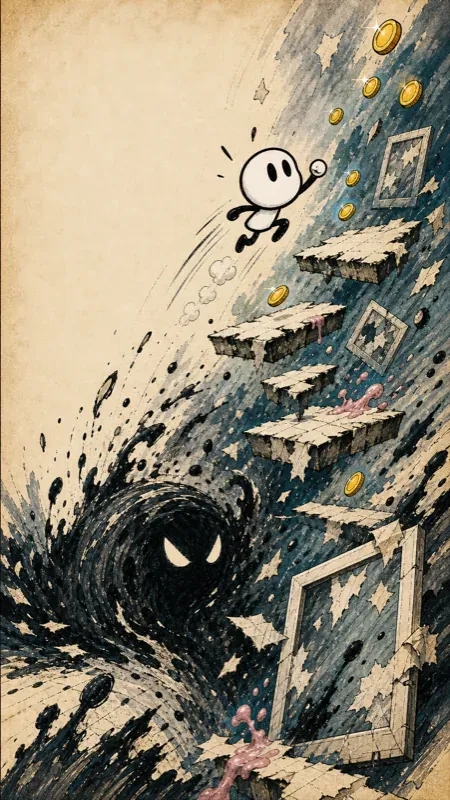
Inklets (our game, bias noted) is a three-player last-standing climb on one sketchbook page. Platforms slide, stick, spike, and snap; smudges and page monsters interfere; black ink rises until two climbers are gone. Matches stay short, lobbies cap at three, and the rule fits on one line: last Inklet standing wins. The game is not released yet: it is planned as a free iOS and Android game, with the waitlist at inklets.app and a lighter browser sample at game.inklets.app if you want to try the feel now.
Party and mini-game collections with elimination rounds
Heads Up, Psych, and couch-style party apps often include rounds where one player remains after others miss a clue or tap wrong. These are last-one-standing in a social sense, even when nobody shoots anyone.
Among Us is elimination by vote rather than reflex. It belongs in the same search bucket when friends want betrayal drama without BR gunplay.
Stumble Guys and Brawlhalla-style mobile ports offer wider lobbies with cartoon knockouts. They are honest picks when you want more than three players and can tolerate longer queues.
Honest limit: if your group only meets asynchronously, async ghost races or leaderboard chases beat live elimination. Forced realtime last-standing sessions frustrate friends in different time zones.
How to choose a format that fits your table
Use a simple matrix before you install another large BR:
| You need | Lean toward |
|---|---|
| Ten-minute BR fantasy with building or loadouts | Fortnite / PUBG Mobile |
| Silly obstacle rounds with many players | Fall Guys / Stumble Guys |
| Fighting elimination on a flat stage | Mobile brawlers with stock rules |
| Three friends, one phone each, under five minutes | Micro survival climbers or party minis |
| Solo practice before friends arrive | Classic vertical jumpers |
If three-player survival on a shared page sounds closer to your search than parachuting, skim what is Inklets for match flow without rereading all of Doodle Jump history.
Rising hazards change strategy (not just aim)
In shooters, the zone punishes camping. In climbers, a rising ink line punishes hesitation vertically. Last-one-standing mobile games in this subgenre become about route risk:
- Detour for coins when two rivals took the safe line.
- Skip a spring when the cracked platform below already swallowed someone.
- Accept a knockback from a page monster if the ink is closer to the other climbers.
Those reads mirror battle royale rotation timing, scaled to a sketchbook page instead of a map tile.
Honest alternatives when last-standing is the wrong goal
Short-session elimination fits groups who want a clear winner in under ten minutes, especially players tired of hundred-player battle royales. Skip it if you need a deep ranked ladder on day one.
- Pure personal best: stay with solo Doodle Jump-style games from games like Doodle Jump. Elimination adds social friction you may not want.
- Finish-line racing only: Doodle Jump Race is the fair Lima Sky pick; survival climbers are the wrong tool if you only want a sprint.
- Long progression nights: last-standing mobile games excel at bursts. RPG grinds and season passes belong elsewhere.
Strong next step
Pick player count first, then session length. For three-player survival climbing with prompt-made characters, join the Inklets waitlist at inklets.app or try the browser sample at game.inklets.app. The planned release and device notes sit in download Inklets on iOS and Android. For genre context on shared climbs versus races, keep Doodle Jump multiplayer bookmarked.
Frequently asked questions
Are battle royales the only last one standing mobile games?
No. Party games, brawlers, and survival climbers all use elimination win lines. The phrase describes a win condition, not a single genre.
What is a good last-one-standing game for three friends?
Look for realtime lobbies capped at three to four players and matches under five minutes. Party minis and compact climbers fit better than fifty-player queues.
How is Inklets different from a battle royale?
Inklets keeps three players on one vertical page with rising ink as the eliminator. There is no shrinking map tile, loot tier, or hundred-player lobby.
Can I try Inklets before launch?
Yes. The browser sample at game.inklets.app is a lighter slice of the climb. Full three-player lobbies and Sketchbook unlocks are planned for the free mobile release.
Next step
Decide whether your group wants many players and chaos or three climbers and a rising page. For the second, join the Inklets waitlist at inklets.app, or open game.inklets.app for a quick taste. For the first, party royales remain the default honest answer, and this post is here to show elimination on mobile is wider than parachutes alone.
Related reads.
 doodle jump multiplayer
Doodle Jump Multiplayer: What Exists Today
Can you play Doodle Jump multiplayer with friends? Here is what Lima Sky shipped, why racing isn't the whole answer, and what a survival climber adds.
 ai character creator
AI Character Creator Games: From Slider Menus to Text Prompts
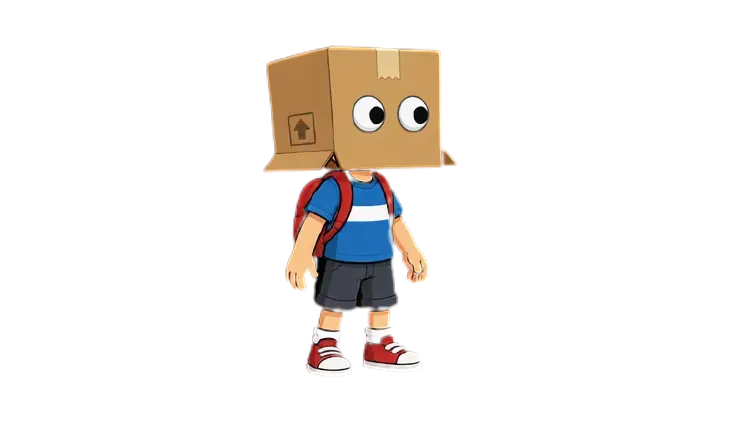
AI character creator games let you describe a character instead of assembling one. How prompt-based creation works, and how Inklets builds it into play.
Download Inklets on iOS and Android: Install, First Launch, and Your First Race
Install Inklets on iPhone or Android, open the app, meet the three-player lobby, create an Inklet, and know what to expect in your first climb.