Rising Floor Mechanics in Mobile Climbers: Ink, Lava, and Why They Change Strategy

What a rising floor does in a vertical jumper
If you searched rising floor game mobile, you are asking how bottom-up pressure changes climbing strategy. A rising floor turns a relaxed bounce ladder into a timed escape. Lava, ink, a monster line, or a shrinking safe zone climbs after you, so standing still becomes a loss even when your platforms are fine.
Classic Doodle Jump tension is local: miss a platform, fall, restart. Rising-floor games add global tension: the world advances on a clock. The skill shift is from “can I land the next hop” to “can I land it before the margin disappears”. Coin detours, spring gambles, and sideways reads get priced in seconds, not only in fall risk.
- Rising floor
- A hazard or safe zone that moves upward and punishes idle time.
- Throughput
- Vertical distance per second, not perfect landings on every hop.
- Shared hazard
- One visible line in multiplayer; everyone reads the same clock.
Common implementations include lava or ink filling from the bottom, an off-screen chase telegraphed by UI, or a climb window that shrinks even when platforms still exist above you.
How rising floors change route choice
Without a rising threat, the safest line upward is often optimal. With a rising floor, throughput beats perfection:
- Side jumps shrink. A three-coin cluster off the main ladder is cute until the ink line eats the ladder you planned to return to.
- Broken platforms flip from trap to shortcut. You might take a cracked ledge because it is higher, not because it is stable.
- Vertical camping dies. Pausing on a wide platform to plan feels smart in solo score modes; in rising-floor modes it is how you lose to the clock.
That is why players describe these games as stressful in a good way. The genre keeps one-thumb controls while adding a deadline your body feels.
Examples across mobile climbers
The Floor Is Lava: Monster Jump
The title states the mechanic. Something hostile chases from below, forcing constant upward motion. Reads are about escape routes, not combo height. A fair reference if you want rising pressure without multiplayer rules.
Doodle Jump variants and panic platforms
Lima Sky’s classic template uses environmental pressure (monsters, black holes, sudden drops) more than a pure rising ink line. Players who want only the chase often hunt spinoffs or newer climbers. Endless jumping games on mobile explains why the broader genre still rewards different tension types.
Inklets: shared rising ink in a three-player match
Inklets uses rising black ink as the match clock. Three climbers share one sketchbook page; the ink swallows the bottom until one Inklet remains. Everyone sees the same line, so “how much time do I have” is a shared fact, not a private score gap.
Inklets is not released yet: it is planned as a free iOS and Android game, with the waitlist at inklets.app and a lighter browser sample at game.inklets.app.
That shared line matters for multiplayer:
- Trailing players get a visible comeback window until the ink catches the whole pack.
- Leading players cannot stall; the floor removes camping wins.
- Risky coin paths are priced against two humans, not only your personal best.
For the full match flow, read what is Inklets. For how official Doodle racing differs from last-one-standing rules, see Doodle Jump multiplayer.
Rising floor vs finish-line racing
Multiplayer climbers split into two families:
| Mode | Clock | What you optimize |
|---|---|---|
| Finish-line race | Distance to banner | Speed along a mostly fixed route |
| Rising-floor survival | Shared hazard | Vertical throughput under pressure |
Racing can feel like parallel single-player sprints. Rising-floor survival keeps interaction: another player’s detour changes how much safe space is left for you. If that distinction matches your search, prioritize survival titles and skip race-only installs. It suits short sessions with a felt deadline and groups who like last-standing rules on one screen; it is the wrong pick for pure high-score grinders who hate any clock.
How to test whether you like rising floors
Play one rising-floor title for ten minutes and notice whether you watch the bottom line more than the next platform. Then play a classic solo jumper: same controls, no global clock. Compare how side coins feel. If the chase is what you remember, bias toward survival multiplayer posts. If not, stay in the Doodle Jump cluster.
Honest alternatives
- Want pure solo high score without a clock: classic Doodle Jump 2 or cousins in games like Doodle Jump. Rising-floor stress is optional, not mandatory.
- Want racing friends: Doodle Jump Race is the fair Lima Sky pick; rising ink is the wrong expectation.
- Want horizontal runners: rising-floor language sometimes appears in endless runners, but vertical jumpers keep the one-thumb climb fantasy. Do not force a genre mismatch.
Frequently asked questions
Are rising-floor games harder than normal jumpers?
They are harder psychologically because idle time kills you. Mechanical inputs are often the same tilt or tap controls.
Do rising floors work in multiplayer?
Yes, when the hazard is shared and visible. Private rising threats per player feel like solo modes with ghosts; shared ink or lava changes tactics.
Is rising ink the same as lava theming?
Same design job, different fiction. Ink fits sketchbook worlds; lava fits arcade danger. Both compress decision time.
Where does Inklets fit?
Three-player survival with shared rising ink, sketchbook platforms, and optional AI-described climbers. Inklets is not out yet: join the waitlist at inklets.app or try the browser sample at game.inklets.app.
Closing next step
Run the ten-minute back-to-back test above. Keep the genre that left you wanting one more run, not the one that felt like homework.
Related reads.
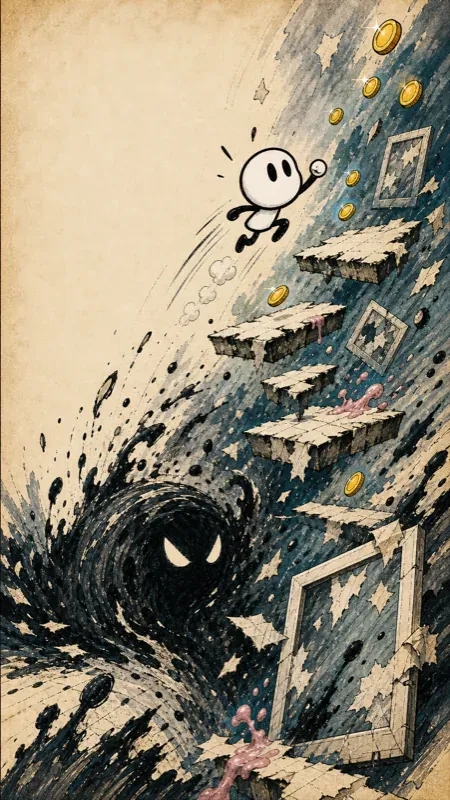 doodle jump multiplayer
Doodle Jump Multiplayer: What Exists Today
Can you play Doodle Jump multiplayer with friends? Here is what Lima Sky shipped, why racing isn't the whole answer, and what a survival climber adds.
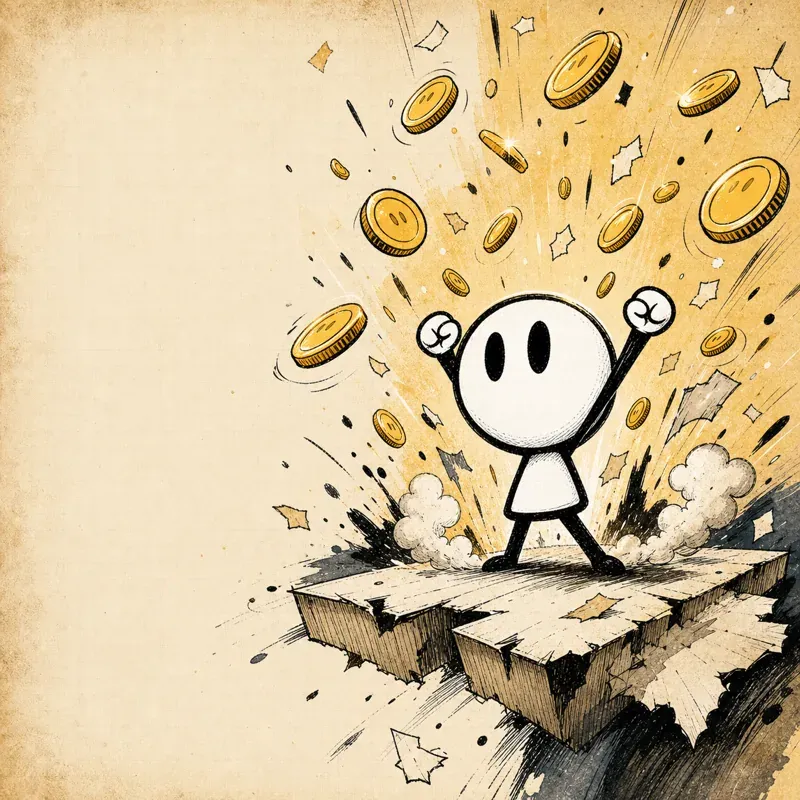 inklets
What Is Inklets? A First Look at the Three-Player Sketchbook Climber
Inklets is a sketchbook-style multiplayer climber for iOS and Android, planned for Summer 2026. How matches work, the AI Generator, and the Sketchbook.
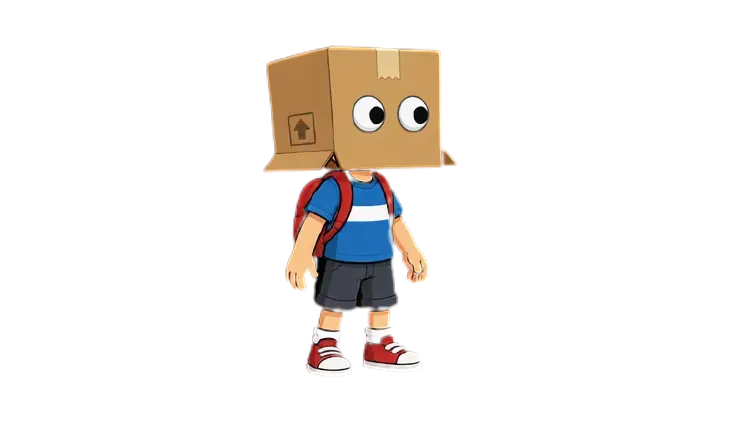 ai character creator
AI Character Creator Games: From Slider Menus to Text Prompts
AI character creator games let you describe a character instead of assembling one. How prompt-based creation works, and how Inklets builds it into play.